Sports and the Pandemic

By Shane Holcombe ‘23 and Maddie Olshemski ‘23

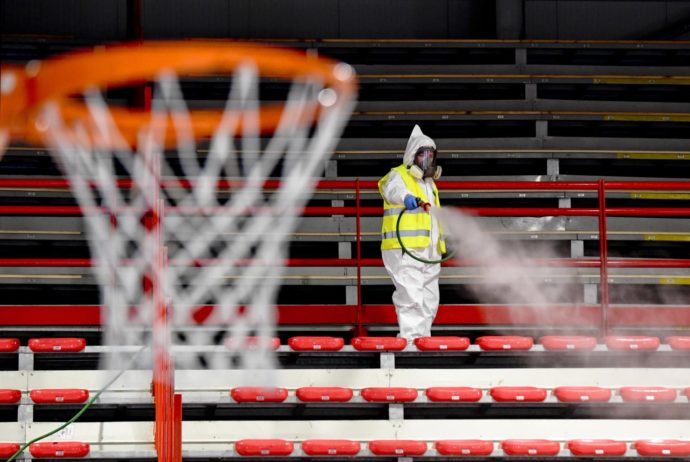
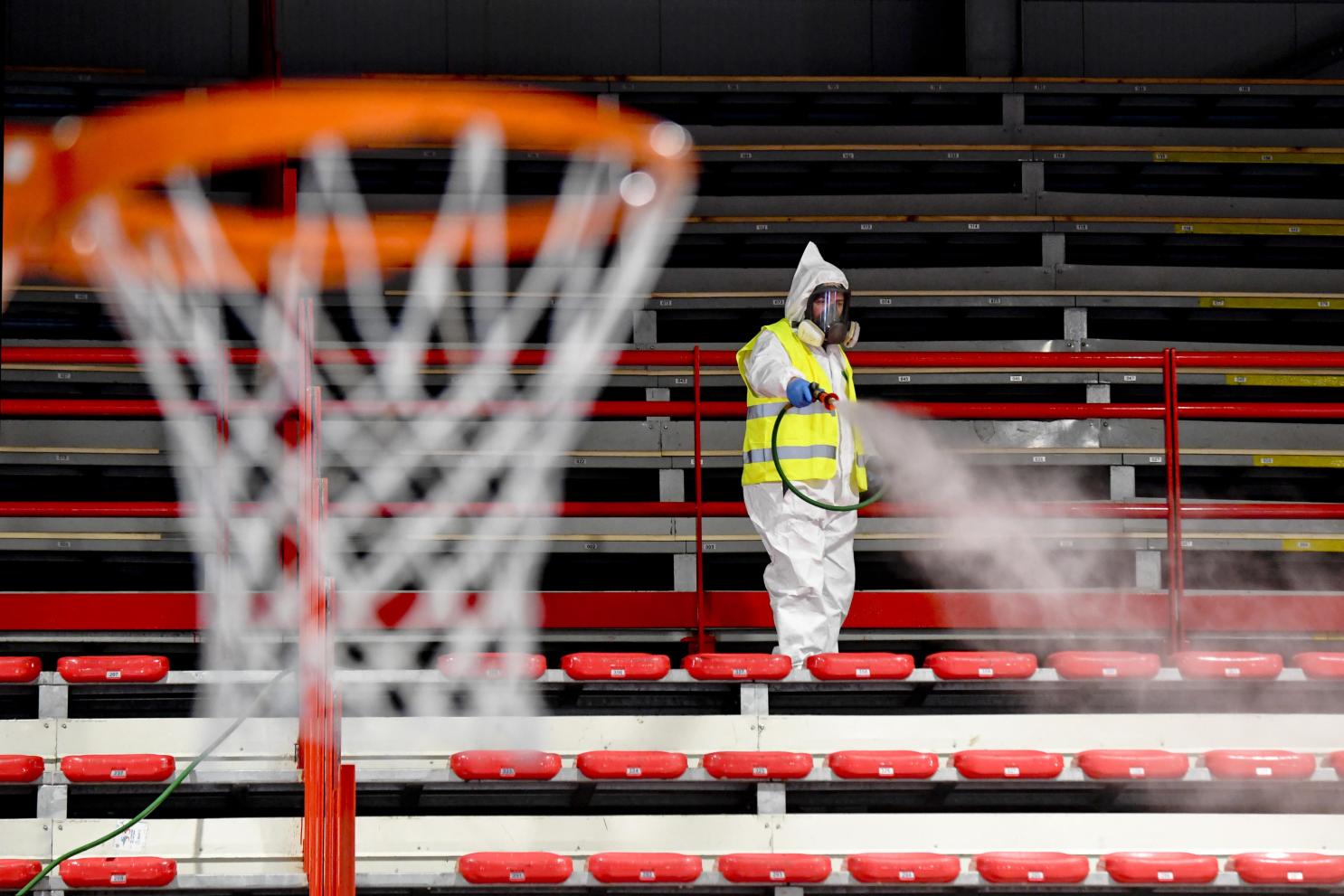
After COVID-19 brought the cancellation of spring sports, student athletes have been ecstatic to return to play with their teammates in the fall. However, this upcoming season will certainly look different than that of years in the past. 

Guidelines from a recent PIAA meeting include wearing masks during practices, practicing social distancing while staying on the sidelines and commuting to games, and maintaining hygiene to the best of the athletes’ abilities. A plan for spectators to return to stadiums and fields is yet to be determined and will be a fluid process throughout the fall, winter, and spring sports seasons this upcoming school year. 

In a virtual interview with Coach Klassner, head coach of the field hockey team and Athletic Director of Sem, Klassner noted that “this [season] will be a year for the record books.” Klassner mentioned she “has been meeting regularly with athletic directors around the area to ensure the safest season for the athletes and the best experience possible for sports to return on campus.” Meanwhile, practices will be “more drill based in smaller groups rather than contact training everyday” so that Sem can follow PIAA guidelines. In order to maintain social distancing while being transported to and from games, students can expect to see “team busses multiplied and games farther away from Northeastern Pennsylvania potentially canceled.” On the topic of spectators, Coach Klassner stated, “fans affect the momentum and energy of the game, and the possibility of not having supporters in the stands will have to be dealt with” (After The Opinator interviewed Coach Klassner, the PIAA announced that fall sports would have to move forward without spectators). Klassner also noted that “if need be, our coaches and teams are ready for the possibility of online practices and training.” While the pandemic may bring sudden changes and pauses to the fall sports season, Coach Klasner expressed her hope that “if anything, hopefully athletes who are seniors and play spring sports don’t have to wait another year to return to play.”

For a brief period of time, the PIAA expressed uncertainty about the occurrence of the upcoming sports season. After Governor Tom Wolf released a statement strongly recommending the postponing of sports until at least January 1, 2021, the PIAA stated that they believe this recommendation “has a potential negative impact on the students’ physical, social, emotional, and mental health.” After meeting on August 21, the PIAA Board of Directors voted to permit fall sports to begin on August 24th based on local school decisions and stated that they will “monitor school participation in fall sports and may pursue alternate solutions, if necessary.” The Opinator wishes all Sem teams best of luck and hopes all athletes remain safe and healthy throughout the upcoming sports season.


COVID-19: Fact vs. Fiction

COVID-19: Fact vs. Fiction

Photo courtesy of BBC News

By Sasha Roumyantseva

With seemingly endless amounts of information on the internet, web users can often struggle to remember all the information they read or hear, let alone determine if that information is true or not. According to recent studies conducted by the Bruno Kessler Foundation in Italy, every day in March 2020 an average of 46,000 new posts on Twitter led to inaccurate or misleading information about the pandemic. Since social media platforms like Twitter are from where many people receive their primary information about the crisis, The Opinator has compiled a list of fiction you may have been told is fact, and fact you may have been told is fiction.

Fiction: An accurate way to test if you have COVID-19 is to check if you can hold your breath for more than 10 seconds. 

The only way to accurately check if you have the virus is to get a laboratory test.

Fact: Vaccines against pneumonia do not protect against the COVID-19 virus.

Vaccines against pneumonia, such as pneumococcal vaccine and Haemophilus influenza type B (Hib) vaccine, do not provide protection against the new coronavirus. The virus is so new and different that it needs its own vaccine. Researchers are trying to develop a vaccine against COVID-19, and the World Health Organization is supporting their efforts. 

Fiction: “Certain foods and vitamins can help fight off COVID-19.”

At this time, no food or supplement has been proven to prevent or treat COVID-19. Researchers are, however, studying a number of  vitamins and supplements, including zinc, vitamins C and D, and melatonin, to see if they can be helpful.  

Fact: People of all ages can be affected by the virus.

Older people and younger people can be infected by the COVID-19 virus. Older people and people with pre-existing medical conditions, such as asthma, diabetes, and heart disease, appear to be more vulnerable to becoming severely ill from the virus.  

Fiction: COVID-19 isn’t harmful to young adults and children.

Children’s symptoms tend to be milder than those in adults, that is if they show symptoms at all. Recent reports, however, indicate that some children may develop life-threatening complications that can affect the heart and other organs. 

Fact: There are no medicines that can prevent or treat the virus.

To date, there is no specific antiviral treatment recommended to prevent or treat the new coronavirus. Those who have a possible or confirmed case of the virus are encouraged to stay home except to get medical care, monitor their symptoms carefully, remain rested and hydrated, and stay in quarantine. 

Fiction: Coronavirus can be transmitted through mail.

Experts are still learning how the new coronavirus spreads, but it’s believed that the virus primarily spreads from person-to-person through infectious respiratory droplets.


As research surrounding the virus and its spread continues to develop, The Opinator encourages its readers to refer to reliable sources of information to learn about the pandemic, such as the Center for Disease Control, the World Health Organization, and county and state health departments. Misinformation can have devastating effects, so hopefully this article has taught you something new about the pandemic or helped you debunk false facts that you’ve read.


How Social Platforms Are Connecting Sem Through Challenges and Virtual Activities

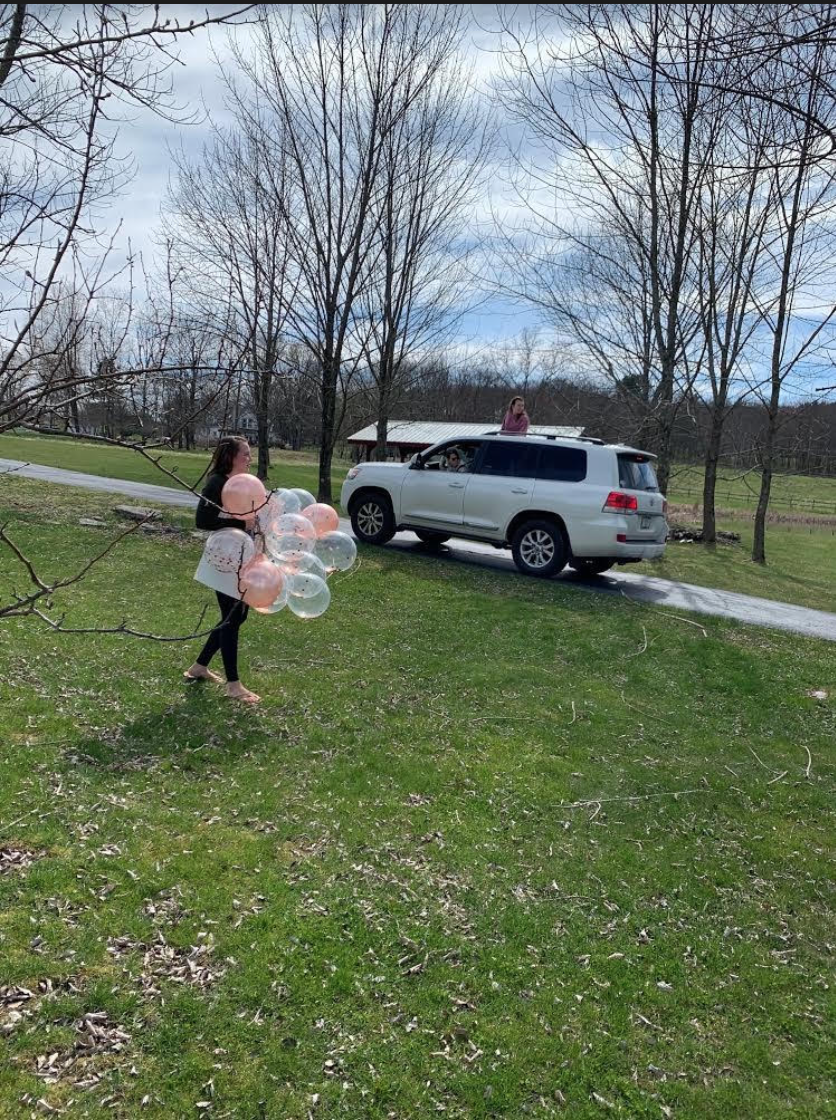
Students participate in a drive-by birthday

How Social Platforms Are Connecting Sem Through Challenges and Virtual Activities

By Shane Holcombe ’23 and Maddie Olshemski ’23

During a time of great uncertainty, the Wyoming Seminary community exemplified the True, the Beautiful, and the Good by reaching out to one another through social platforms. Through Zoom calls, lifestyle challenges, virtual school spirit, and appreciation for Sem staff, students and faculty thought out of the box to stay as connected as possible.

 Zoom chats revolutionized SEMs education and online interaction community. Teachers had to adapt their plans for their classes as well as how they present their course material to their students. After interviewing Mrs. Swaback, Dean of the Class of 2023, and Geometry teacher, one message was clear: students weren’t alone in navigating online learning issues. Mrs. Swaback said, “Teachers had minimal time to prepare for online classes, which led to lots of experimenting in learning strategies.” While experimenting with online learning, teachers used feedback from their students to expand on what was working and cut down on what wasn’t. Mrs. Mozeleski, Dean of the Class of 2021 and the Head Athletic Trainer, said in an interview that it is “traumatizing walking through campus without the usual energy.” 

Like the teachers, students adapted throughout the spring trimester. Some students have enjoyed the amount of free time online learning has provided, however many miss the excitement and structure of a normal school day. Freshman Alex Inhyuk Kang ‘23 in an interview said, “I liked that I had more time to do homework. However, it is really boring to study alone. My friends and I created a Zoom group chat and just talk about how we’re doing.” Friends have turned to Zoom to stay connected and to all be together with one another. The Sem community also used Zoom for movie nights together and the summer send-off assembly. Friends have not only interacted online but also got creative to see their peers in person. For example, drive-by birthday parties have brought friends together to celebrate a special day.

Athletic teams have bonded through online meetings and challenges. Athletes have made the best out of their situation with at-home workout videos with their teams and DIY gyms with objects as simple as water jugs. Football player Edwin Lora said in a text exchange, “I don’t have any weights in my house like many others do so I have to work with what I have.” Well deserved awards were still given out through coaches’ videos, which brought teams together. Sem athletes are training constantly to be ready when the time comes to resume their sports.